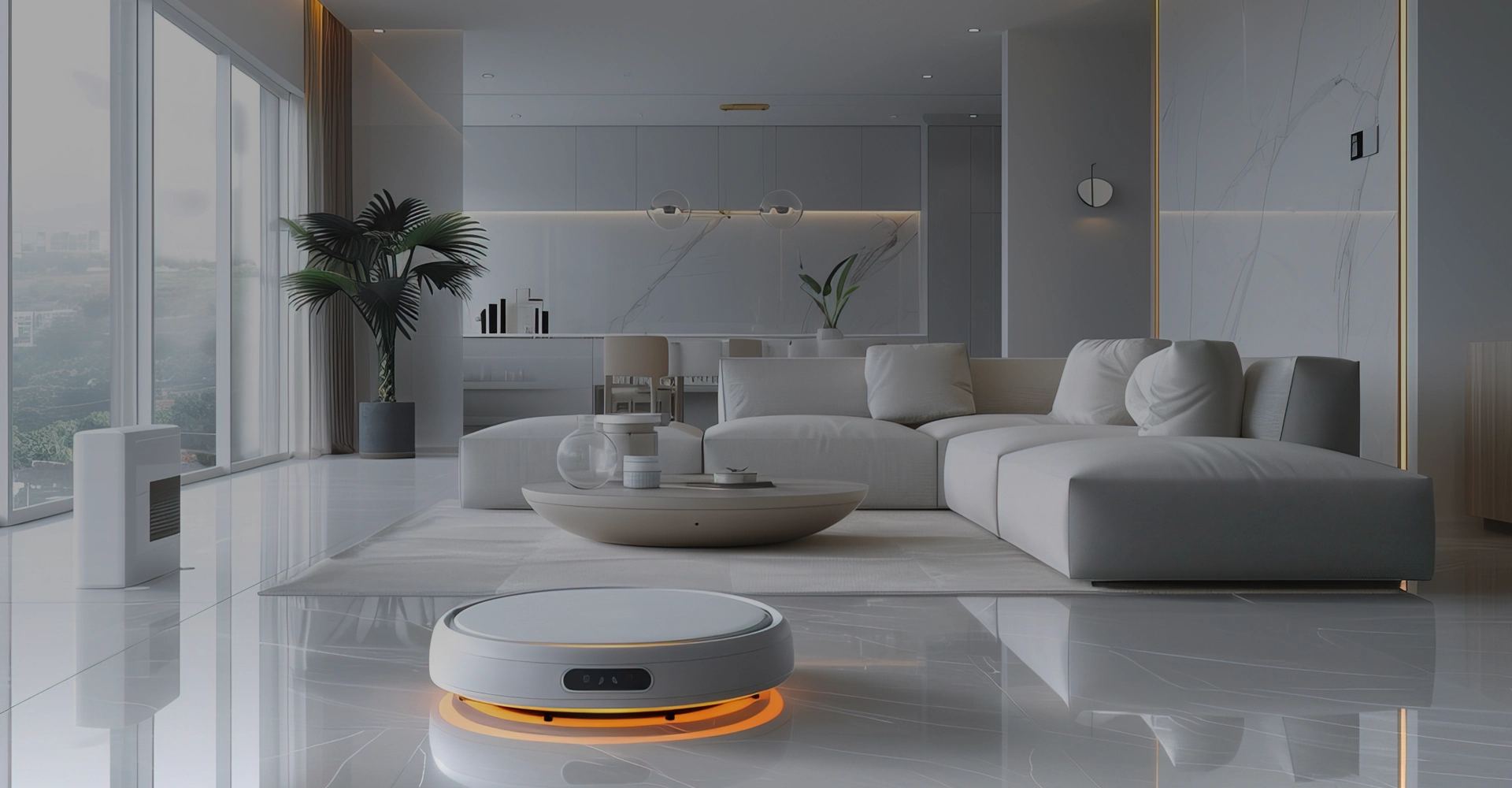
Redefining modern living through smart design
Transforming a house into a functional sanctuary requires a holistic approach where aesthetics meet utility. Every corner reflects personal style while ensuring absolute comfort for daily activities and long-term sustainability.
Home evolution strategies
Mastering the art of spatial harmony
Strategic use of natural light amplifies the perception of volume in compact urban apartments, creating an open and airy atmosphere.
Visual balance principles
Selecting furnishings for style and usage
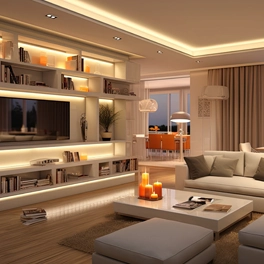
Modular sofas adapt effortlessly to changing family needs, offering both reception space and relaxation zones within a single living area.

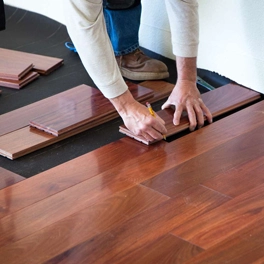
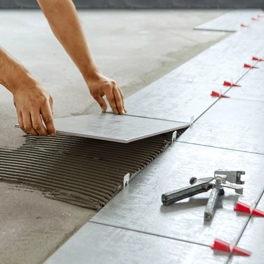
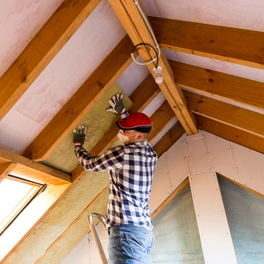
Structural upgrades and finishing touches
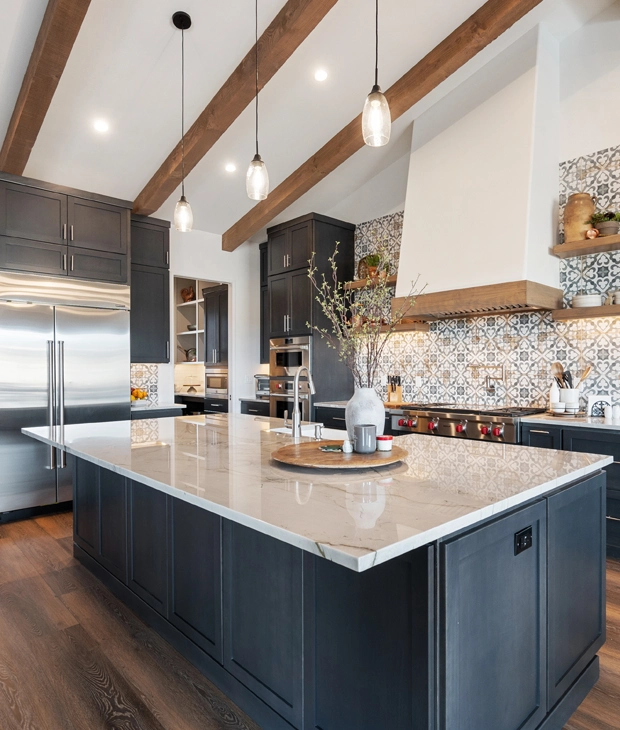
Kitchen modernization planning
Optimizing the work triangle ensures efficient movement between the stove, sink, and refrigerator during meal preparation.
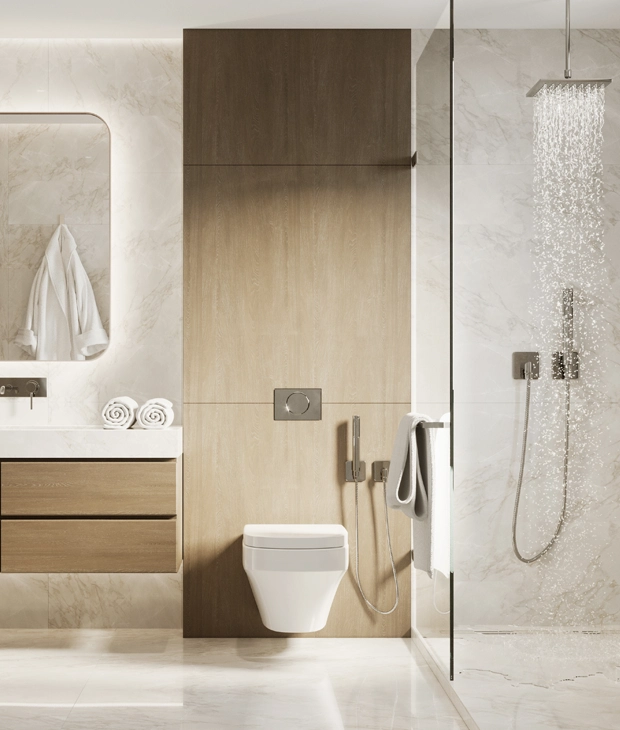
Bathroom functional layouts
Installing walk-in showers with waterproofing membranes maximizes space utility while preventing long-term moisture damage.
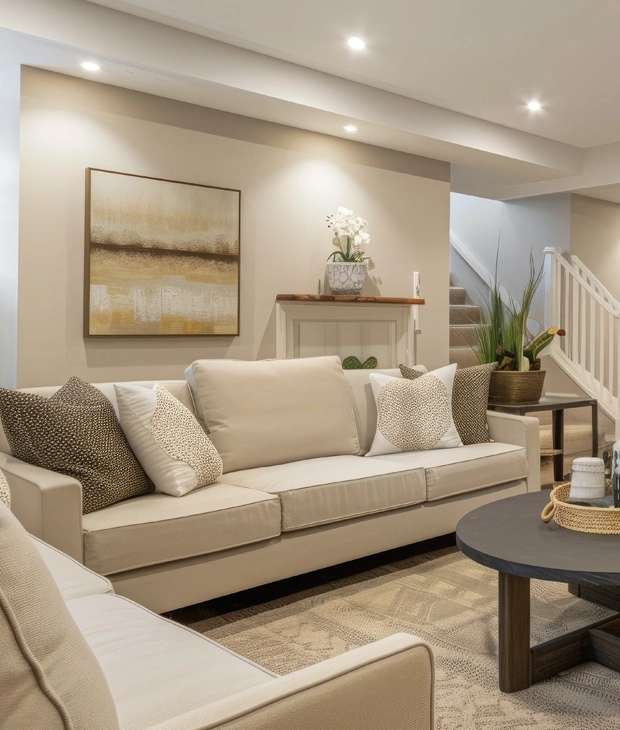
Basement conversion tactics
Adequate moisture control transforms damp underground storage areas into vibrant home theaters or guest suites.
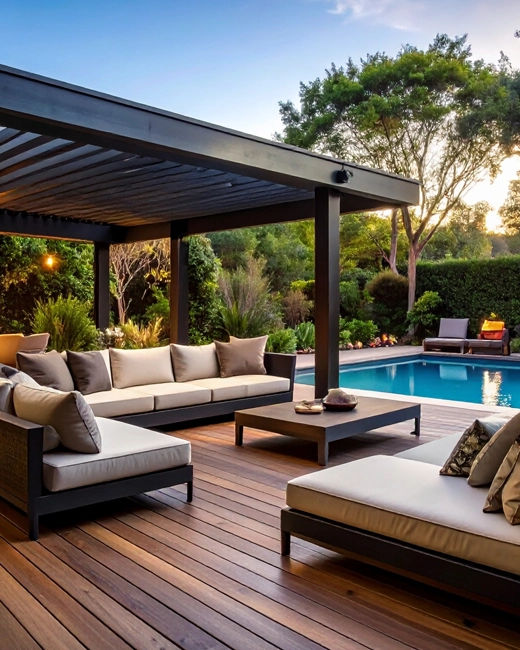
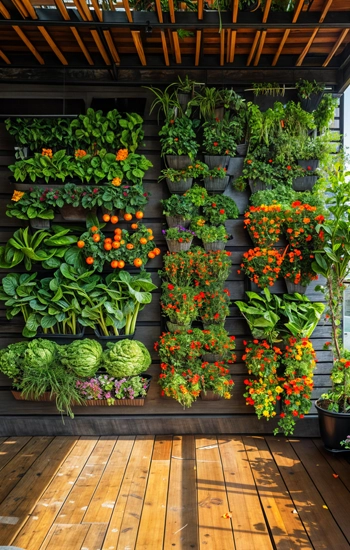
Cultivating serenity in private gardens

Integrating intelligent automation systems

Automated lighting control
Sensors adjust brightness levels based on natural daylight availability, reducing electricity consumption significantly.

Climate management hubs
Thermostats learn occupancy patterns to pre-heat or cool rooms strictly when needed.

Advanced security perimeters
Connected cameras and motion detectors provide real-time monitoring of all entry points remotely.
Material selection guide
Material durability and aesthetic textures
Selecting the right materials defines the longevity and character of any interior or exterior project. Natural stone offers timeless resilience, while engineered composites provide consistency. The interplay of different surfaces creates visual depth.
Textile choices dictate the tactile experience of a room, balancing softness for comfort with durability for high-traffic areas. Mixing rough organic fibers with smooth metallic accents establishes a sophisticated contrast that elevates the overall design scheme without overwhelming the senses.